Can Dental Implants in Bakersfield CA Prevent Bone Loss?


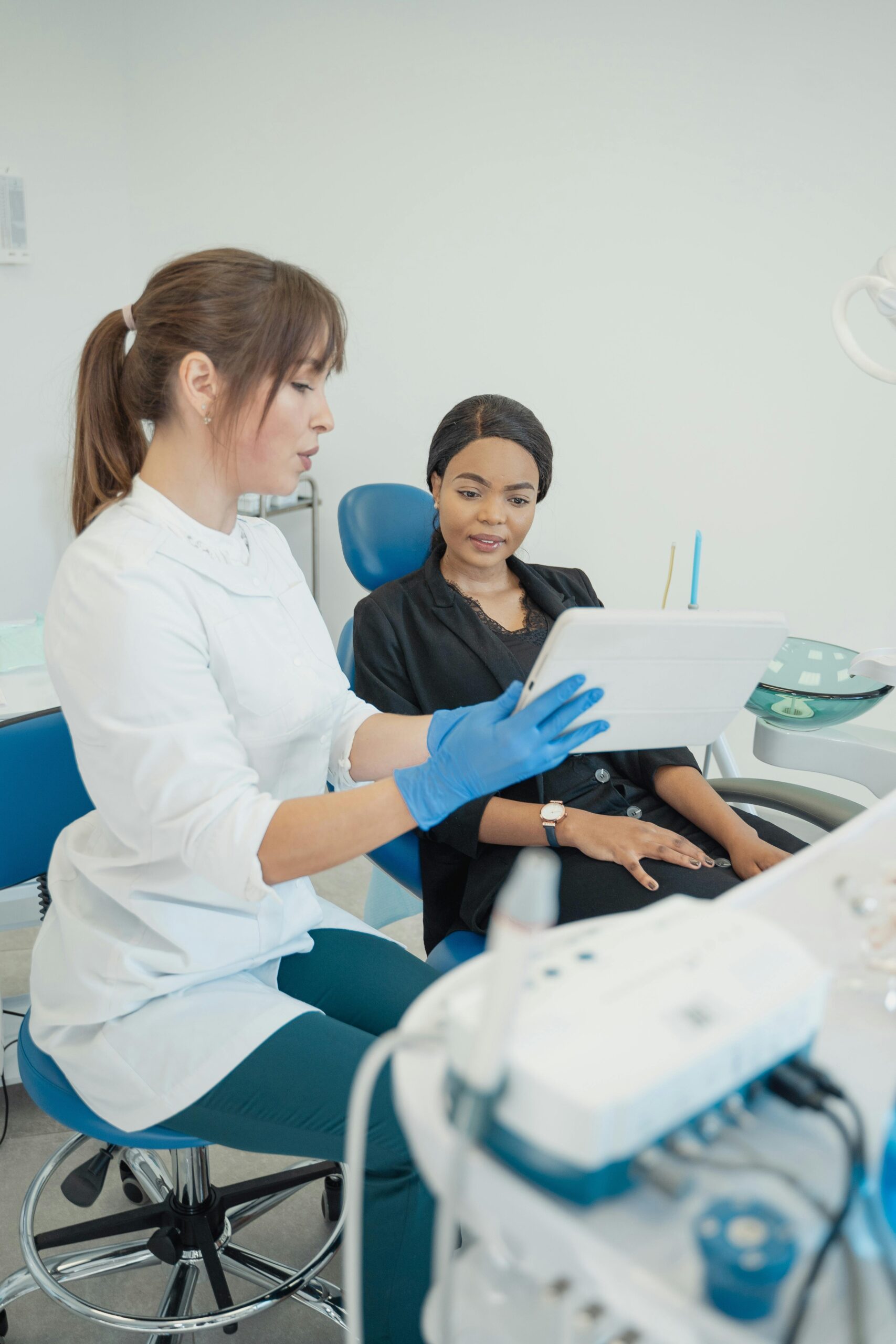
Losing a tooth changes more than a smile. It changes the way force travels through the jaw, the way food is chewed, and over time, the shape of the bone that once held the tooth in place. That last part surprises many patients. They often expect a gap, some shifting, maybe a cosmetic concern. What they do not always expect is that the jawbone itself can begin to shrink once a tooth is gone.
That is where dental implants enter the conversation. Patients looking into Dental Implants Bakersfield CA often ask whether implants simply replace a missing tooth or whether they also protect the jaw underneath. The short answer is yes, implants can help prevent bone loss. The longer answer is more useful, because the degree of protection depends on timing, anatomy, gum health, bite forces, and the overall treatment plan.
Bone loss after tooth loss is real, common, and often progressive. An implant is the closest modern dentistry gets to replacing both the visible tooth and the root below the gums. That root replacement is the key reason implants are different from bridges and removable dentures when bone preservation is the goal.
Why the jawbone shrinks after a tooth is lost
Bone is living tissue. It responds to use. Every time you chew, the roots of your natural teeth transmit small mechanical forces into the surrounding jawbone. Those forces tell the body that the bone is needed and should be maintained.
Once a tooth is removed, that signal drops sharply. The body is efficient, sometimes ruthlessly so. If a structure is no longer serving a function, the body tends to reduce it. In the jaw, that can mean a steady reduction in bone height and width around the empty space.
This process is called bone resorption. It often happens fastest in the first several months after an extraction, but it does not always stop there. In some people, the contour of the ridge keeps changing for years. The result may be subtle at first, then more noticeable, especially in the front of the mouth where even slight changes in gum and bone shape affect appearance.
Patients sometimes describe this in practical terms rather than biological ones. They notice that a partial denture feels looser. Food starts collecting in a gap that did not trap food before. The lip has a little less support. The face looks slightly more hollow on one side. These are not imagined changes. They are the visible consequences of the underlying bone remodeling.
What makes implants different
A dental implant is placed into the jawbone, where it serves as an artificial tooth root. Usually made of titanium, sometimes of zirconia depending on the case, the implant integrates with bone through a process called osseointegration. Once healed, it can support a crown, bridge, or in some cases a denture.
The important point is this: an implant puts functional load back into the bone. When you chew, force is transferred through the implant into the jaw. That stimulation helps the bone remain active and better preserved than it would be if the space were left empty.
That does not mean an implant makes the jaw freeze in time. Human biology is rarely that tidy. Bone can still change with age, gum disease, smoking, grinding, poor oral hygiene, certain medical conditions, or implant overload. But compared with doing nothing after tooth loss, an implant gives the bone a reason to stay.
From a practical standpoint, this is one of the biggest advantages of choosing implants over other tooth replacement options.
How much bone preservation can you expect?
This is where professional judgment matters. The phrase “prevent bone loss” sounds absolute, but in real practice the better phrase is “significantly reduce or limit bone loss in the area of the missing tooth.”
If a tooth is extracted and the site is left empty, the ridge almost always shrinks to some degree. If an implant is placed, especially with a thoughtful plan that accounts for bone volume and soft tissue support, that area tends to hold its shape much better.
The timing matters. Immediate implant placement, where the implant is placed at or soon after extraction, can help preserve architecture in selected cases. It is not appropriate for every patient or every tooth. Infection, thin bone, gum defects, bite pressure, and esthetic demands may push the treatment toward a staged approach instead. Delayed placement can still work very well, though additional grafting is more often needed if bone has already resorbed.
The location matters too. Front teeth, especially upper front teeth, are esthetically demanding. Back teeth handle heavier chewing forces and often present different anatomical challenges, such as sinus proximity in the upper jaw or nerve location in the lower jaw. Bone preservation is possible in both regions, but the strategy may differ.
In daily practice, one of the most important distinctions is whether the goal is simply to fill a space or to preserve a lifetime foundation. Patients who understand that difference tend to make decisions they are happier with ten years later.
Implants versus bridges and dentures
Traditional bridges can be excellent restorations in the right situation. They restore chewing and appearance without surgery, and for some patients that is a meaningful advantage. But a bridge does not replace the missing root. It spans the space above the gumline, supported by neighboring teeth. The bone under the gap still receives less direct stimulation than it did when a natural root was present, so bone loss can continue beneath it.
Removable dentures present a similar issue, often to a greater extent. A denture rests on top of the gums and underlying bone. It may restore function and esthetics, but it does not provide root-level stimulation. Over time, the bone under a denture can continue to shrink, which is one reason dentures may become loose and require relines or remakes. Many long-term denture wearers are familiar with this cycle.
Implant-supported dentures are a different category. They can dramatically improve stability and help preserve bone better than conventional removable dentures because the implants reintroduce force into the jaw.
Here is the practical comparison many patients find most useful:
- Leaving a space empty usually leads to the most bone loss.
- A bridge restores the visible tooth but does not directly replace the root.
- A removable denture can replace several teeth but does not stop ridge resorption on its own.
- A dental implant replaces the root and offers the strongest support for preserving bone in that area.
That comparison does not mean every person should choose implants. Cost, health history, healing ability, and personal priorities matter. Still, if bone preservation is one of the main goals, implants stand apart.
The role of bone grafting
Some patients hear “bone loss” and assume implants are no longer possible. That is often not true. Bone grafting has become a routine part of implant dentistry, particularly when a site has been missing a tooth for a while or when infection damaged the bone before extraction.
A graft can help rebuild width, height, or both. Sometimes the graft is done at the time of extraction to preserve the socket. Sometimes it is done before implant placement. In the upper back jaw, a sinus lift may be necessary if there is not enough vertical bone under the sinus floor.
People tend to worry that grafting means the case is unusually complex or risky. In reality, it is common and often straightforward, though it does add healing time and cost. The key is proper case selection and realistic expectations. A graft does not recreate untouched anatomy in every case, but it can make an implant possible where it otherwise would not be.
In Bakersfield, where many patients have delayed care for practical reasons, grafting comes up often. Work schedules, insurance limitations, family obligations, and fear of surgery all play a role. It is not unusual to see someone https://spencerxkgi785.hexaforgey.com/posts/dental-implants-bakersfield-ca-for-restoring-function-and-appearance years after a tooth was lost. That does not automatically close the door. It simply means the treatment may need to be sequenced more carefully.
Can implants stop all facial collapse?
Not entirely, and it is important to say that clearly.
Dental implants preserve bone best in the specific area where they are placed. If several teeth are missing, preserving one site does not necessarily maintain the full contour of an entire arch. Likewise, broad facial aging involves fat pads, muscle tone, skin elasticity, and overall skeletal changes, not just the alveolar bone around teeth.
That said, implants can make a meaningful difference. In a patient who loses a single premolar, preserving the ridge at that one site may keep the gums and neighboring teeth looking more natural over time. In a patient who has lost all lower teeth, strategically placed implants supporting a denture can help reduce the ongoing resorption that so often causes traditional lower dentures to become unstable.
The result is less “collapse” than would otherwise occur, but not a complete halt to every age-related change in the face. Honest treatment planning always includes that nuance.
Cases where implants may not protect bone as well as expected
Not every implant delivers the same long-term result. The biology matters, and so do habits. When implants fail to preserve bone the way patients hope, there is usually an identifiable reason.
Gum disease is a major one. A patient who lost teeth because of periodontitis can absolutely receive implants, but only if the disease is brought under control and maintenance remains consistent. The bacteria that damage natural teeth can also inflame the tissues around implants. Peri-implantitis, the implant counterpart to periodontal breakdown, can lead to bone loss around an implant.
Smoking is another factor. Nicotine constricts blood vessels, affects healing, and is associated with higher rates of implant complications. It does not mean every smoker will fail, but it does change the risk profile. The same is true for uncontrolled diabetes, severe teeth grinding, and poor home care.
Implant position matters too. An implant that is poorly angled, overloaded, or placed into inadequate bone is more likely to have trouble. This is why diagnostics are not optional. Good imaging, thoughtful planning, and a restoration that distributes biting forces properly all influence whether the implant becomes a long-term bone-preserving solution or a short-term fix.
Why timing matters more than most people think
There is a window after tooth loss when intervention is simpler. Once the extraction site heals and resorption progresses, replacing the missing root often becomes more demanding. More grafting may be needed. The esthetic challenge may increase. Neighboring teeth may drift or tip. Opposing teeth may over-erupt into the space.
None of this means you must rush into surgery while the extraction site is still fresh. It does mean delays should be intentional, not accidental. If you need time to budget, heal, or coordinate care, that is normal. What helps is having a plan early, even if the implant is placed later. A socket preservation graft at extraction, for example, can protect options for the future.
One scenario that comes up often is the patient who had a molar extracted, felt fine without it, and returned three or four years later once the chewing imbalance became annoying. By then, the upper sinus may have dropped lower, the lower opposing tooth may have shifted, and the available bone may be narrower than expected. The implant is still possible in many cases, but it is rarely as simple as it would have been at the start.
What the process usually looks like
The actual sequence varies, but most implant cases follow a predictable arc. First comes evaluation, often with X-rays and sometimes a 3D scan. That scan is particularly useful when the anatomy is tight or the esthetic demand is high. Next comes a discussion of whether the site is ready for an implant or needs grafting first.
If the implant is placed, a healing period follows while the bone integrates to the implant. Depending on the site and the case, that healing period may range from a few months to longer. After that, the restoring dentist places the final crown or other prosthetic component.
For patients who want the shortest answer to “what protects the bone,” it is not just the implant surgery. It is the whole chain: extraction strategy, grafting when indicated, precise placement, healthy gums, and a well-designed final bite.
Maintenance is where long-term success is won
A successful implant should not fade into the background of your attention just because it is not a natural tooth. Implants do not get cavities, but they can develop plaque buildup, inflamed gum tissue, and bone loss if neglected.
Most long-term implant problems are not dramatic surgical failures. They are slow maintenance failures. A patient misses cleanings, stops flossing around the implant, grinds at night without a guard, or assumes occasional bleeding is no big deal. Years later, the X-ray shows the bone support is not as stable as it once was.
A smart maintenance routine usually includes the following:
- Regular hygiene visits, with intervals based on your risk level rather than a one-size-fits-all schedule.
- Daily plaque control at home, using whatever tools your dental team shows you will actually work around your implant.
- Bite monitoring, especially if you clench or grind.
- Prompt attention to bleeding, soreness, or loosening instead of waiting to see if it passes.
That may sound basic, but in implant dentistry the basic habits are what preserve expensive work.
Bakersfield-specific considerations patients often ask about
Patients exploring Dental Implants Bakersfield CA are often balancing practical concerns along with clinical ones. Heat, dry mouth, shift work, and long stretches between appointments can all affect oral health habits, even if indirectly. Dry mouth from medications, frequent sports drinks, tobacco use, and inconsistent preventive care show up often enough to matter in treatment planning.
Another local reality is access timing. Some patients come in early, right after an extraction is recommended. Others arrive after they have tried to “make do” for a long time. Neither group should be judged, but their treatment pathways are different. The earlier group often has more conservative options. The later group may need more rebuilding before the implant can do its job.
It is also common for patients to compare the upfront cost of an implant with the lower initial cost of a bridge or removable appliance. That is a fair comparison, but it should include the long view. If preserving bone reduces future complications, improves function, and helps avoid repeated remakes or repairs, the economic picture changes. Dentistry is full of decisions that look different when measured over fifteen years instead of fifteen months.
When an implant may not be the right answer
Even with all these advantages, implants are not automatically the best choice for every patient. Someone with severe uncontrolled medical issues may be better served by a simpler interim solution until health improves. A young patient whose jaw growth is not complete should usually wait. A patient who cannot commit to maintenance may do better with a different option rather than investing in a treatment they are unlikely to protect.
There are also cases where a well-designed bridge makes sense because the neighboring teeth already need crowns, or where a removable solution is the most realistic fit for the patient’s goals and budget. Good dentistry is not about pushing the same answer every time. It is about matching biology, function, timing, and priorities.
Still, when the question is specifically whether implants help prevent bone loss, the answer remains strong. They do, because they replace the root and restore functional stimulation to the jaw.
The central takeaway
Bone loss after tooth loss is not a cosmetic side issue. It is a structural change that affects appearance, function, and future treatment options. Dental implants are uniquely valuable because they address the missing root, not just the visible part of the tooth. That root replacement helps preserve the jawbone in a way bridges and traditional dentures cannot match.
For patients considering Dental Implants Bakersfield CA, the most useful mindset is to think beyond replacing a tooth and toward preserving a foundation. If the site is evaluated early, treated thoughtfully, and maintained well, an implant can do far more than fill a gap. It can help protect the bone that keeps the smile stable for years to come.
Smyle Dental Bakersfield
2016 E St, Bakersfield, CA 93301, United States
+16614939040
FAQ About Dental Implants Bakersfield CA
What is the downside of a dental implant?
The main downsides of dental implants involve high financial costs, surgical risks, a lengthy healing process, and the potential for long-term complications.
How much does a full set of implants usually cost?
A full set of dental implants (covering both the upper and lower arches) typically ranges from $6,000 to $90,000+, depending heavily on the type of treatment, materials used, and whether the teeth are fixed or removable.
Can I have all my teeth pulled and get implants?
Yes, you can have all your teeth pulled and replaced with dental implants. Instead of placing a separate implant for every single tooth (which is costly and time-consuming), dentists typically use full-arch systems.